

Quick Links
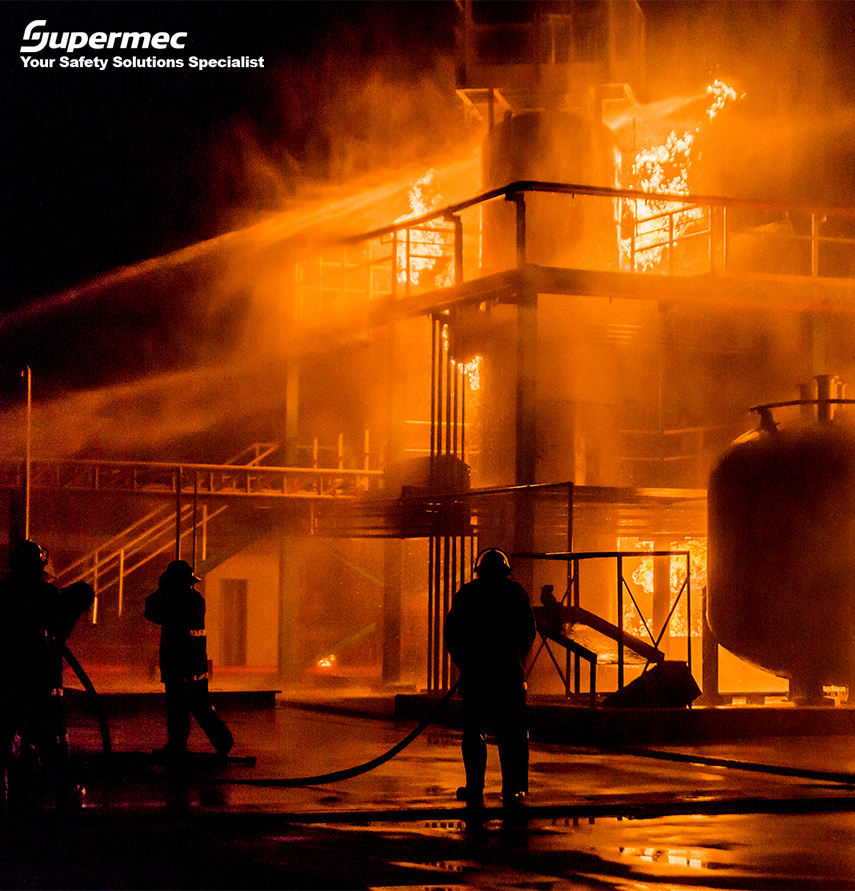
Did you know that fire is one of the most common hazards the textile industry faces? That is because nearly all the materials and chemicals used to produce items made of natural or artificial fibre are combustive. As a result, the chances of a fire occurring is much higher.
So as you can see, implementing effective fire prevention measures is essential to protect employees, assets, and property. Let us explore the significant fire threats in the textile industry and provide practical tips on how to prevent fires, ensuring a safer work environment for all.
Learn More: 4 Causes of Industrial Fires and Explosions And How To Prevent Them
Common fire threats in the textile industry

Before we begin exploring how to safeguard your workplace from fire, you must first understand the significant fire threats in the textile industry. By being aware of these hazards, you can play an active role in eliminating them from the work environment.
Risk #1: Combustible raw materials
In the textile industry, nearly all materials being used are flammable to a degree. That includes cotton, flammable dyes, synthetic fibres, and wool. As a result, correct storage and handling of these materials are crucial to prevent fires. Keep these combustible substances in designated areas away from potential ignition sources and ensure adherence to fire safety regulations when handling them.
Risk #2: Sparks
Sparks can be generated from various sources, such as friction during the production process or from the electrical equipment and machinery in the plant. Therefore, any electrical tools utilised in the textile plant must be explosion-proof. These pieces of equipment, such as flameproof light fixtures and intrinsically safe junction boxes, feature special sealing devices to maintain the integrity of the enclosure and minimise the risk of external ignition.
Risk #3: Machinery
Even integral textile machinery, like looms and sewing machines, can pose fire risks if not maintained correctly or when electrical faults occur. Regular inspections and maintenance are essential to minimise the risk of electrical fires. Additionally, ensure workers are trained in safe machine operation and emergency procedures.
How to prevent fires in the textile industry

Implementing effective fire prevention measures is crucial to prevent potential fire incidents. Here are suggested precautionary steps to follow to reduce the risk of fire in the textile industry.
Tip #1: Keep combustible dust away from the machinery
Due to the presence of flammable raw materials in the plant, combustible dust, such as lint and textile fibres, can accumulate around the work environment, posing a significant fire hazard. Good housekeeping, including implementing adequate dust collection systems and regular cleaning up of fluff and dust, is essential to address any potential dust accumulation. All work areas must also be well-ventilated to minimise the concentration of combustible dust in the environment.
Tip #2: Control the heat in the workrooms
Excessive heat increases the risk of fire in the workplace. Beyond maintaining appropriate temperature levels through adequate ventilation, insulation, and usage of cooling systems, inspect and maintain your equipment regularly to prevent malfunctions and overheating. Any flammable material should be correctly stored away from heat sources.
Tip #3: Keep fire ignition sources away from the workplace
All fire ignition sources must be kept away from work areas. Of course, we understand this may not always be possible. After all, even essential electrical equipment and machinery can create a spark that triggers a fire if they are not maintained regularly. To minimise this risk, you can install intrinsically safe junction boxes and explosion-proof switch socket outlets to provide an added layer of protection and minimise the potential for ignition sources.
Tip #4: Ensure raw materials and final products are stored correctly
It goes without saying that correct storage and handling of raw materials and finished products are critical. They should be stowed in designated areas that are well-ventilated, dry, and away from potential ignition sources. Additionally, implement flameproof light fixtures to provide workers with adequate illumination to prevent accidents while minimising ignition sources, and always inspect storage areas for potential fire hazards, such as blocked exits or excessive clutter.
Protecting your textile manufacturing plant from fires requires a proactive and comprehensive approach. We hope what we shared can help you implement adequate preventive measures to reduce the risk of fire incidents. By prioritising fire safety in the workplace, you can ensure the well-being of your employees, safeguard valuable assets, and maintain a productive and secure work environment.
If you seek the appropriate explosive-proof equipment to safeguard your workplace and ensure workers’ safety, look no further than Supermec. We provide a broad range of flameproof light fittings and intrinsically safe junction boxes at affordable prices. Visit our website to browse our comprehensive catalogue today!
Back