

Quick Links

ATEX products is a specialized products solution designed for use in hazardous locations where the possibility of fire or explosion exists due to the presence of flammable gases, vapors or dust. ATEX products fixtures are designed with explosion proof equipment and construction methods that minimize the risk of generating sparks, heat, or other forms of ignition. This helps prevent the ignition of flammable substances in the surrounding atmosphere.
In this blog, we will explore the evolution of ATEX products, from its origins to its current state-of-the-art technologies. We will also look at some of the applications and benefits of ATEX products in various industries and sectors.
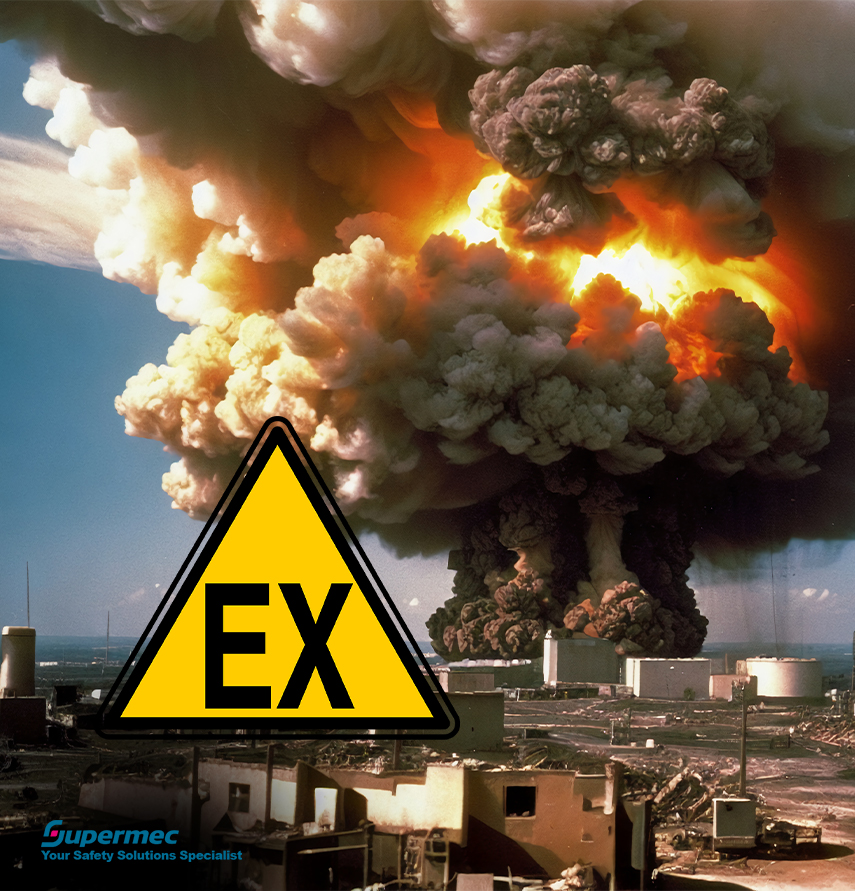
What is ATEX and why is it important?
ATEX is an acronym for **ATmosphères EXplosibles**, which is French for explosive atmospheres. ATEX is also the name of a set of European directives that regulate the safety of equipment and systems used in explosive environments. The main objectives of the ATEX directives are to ensure the protection of workers and the environment, as well as to facilitate the free movement of goods within the European Union.
The ATEX directives classify hazardous locations into different zones, based on the frequency and duration of the occurrence of explosive atmospheres. The zones are further divided into two categories: gas and dust. For example, zone 0 is the most hazardous gas zone, where an explosive atmosphere is present continuously or for long periods. Zone 20 is the most hazardous dust zone, where a cloud of combustible dust is present frequently or continuously.
ATEX products fixtures must comply with the specific requirements and standards for each zone and category. They must also be marked with the ATEX logo and a series of codes that indicate their level of protection, type of protection, gas or dust group, temperature class, and other relevant information.
Learn More: ATEX approved products - new range of products
How has ATEX lighting evolved over time?

The history of ATEX lighting can be traced back to the 19th century, when the first attempts to provide illumination in coal mines were made. Coal mines were notorious for being dark, damp, and dangerous places, where explosions caused by methane gas and coal dust were common. The early lighting solutions, such as candles, oil lamps, and open flames, were often the source of these explosions, as they could easily ignite the flammable substances in the air.
The first breakthrough in ATEX lighting came in 1815, when Sir Humphry Davy invented the safety lamp, also known as the Davy lamp. The Davy lamp was a metal lantern with a wire mesh screen that enclosed the flame. The mesh screen acted as a barrier that prevented the flame from igniting the gas outside the lamp, while allowing enough light to pass through. The Davy lamp was widely adopted by miners and saved many lives, but it was not perfect. It could still cause explosions if the mesh screen was damaged, or if the flame was too large or too close to the gas.
The next major innovation in ATEX lighting was the introduction of electric lighting in the late 19th and early 20th centuries. Electric lighting offered many advantages over flame-based lighting, such as higher brightness, longer lifespan, lower maintenance, and lower risk of ignition. However, electric lighting also posed new challenges, such as the possibility of sparks, arcs, or overheating caused by faulty wiring, switches, or bulbs. To address these challenges, various methods of protection were developed, such as encapsulation, flameproofing, increased safety, intrinsic safety, and non-incendive protection. These methods aimed to prevent or contain the ignition sources within the lighting fixtures, or to limit the energy or temperature of the electrical components.
What are the current trends and innovations in ATEX lighting?
The ATEX lighting industry is constantly evolving and innovating to meet the changing needs and demands of the customers and the market. Some of the current trends and innovations in ATEX lighting include:
The adoption of more stringent and comprehensive standards and regulations, such as the ATEX 2014/34/EU directive, which replaced the previous ATEX 94/9/EC directive in 2016, and the IECEx (International Electrotechnical Commission System for Certification to Standards Relating to Equipment for Use in Explosive Atmospheres) scheme, which is a global certification system for equipment used in explosive atmospheres.
The development of more compact, lightweight, and robust ATEX lighting fixtures, which can withstand harsh environmental conditions, such as high temperatures, humidity, corrosion, vibration, and impact.
The improvement of the energy efficiency and sustainability of ATEX lighting, which can reduce the operating costs and environmental impact of the lighting systems. This can be achieved by using LED technology, which consumes less power and emits less heat than conventional light sources, and by implementing energy-saving features and controls, such as dimming, occupancy sensing, daylight harvesting, and timers.
The integration of digital and IoT (Internet of Things) technologies in ATEX lighting, which can enable smart and connected lighting solutions that can enhance the performance, safety, and user experience of the lighting systems. For example, ATEX lighting fixtures can be equipped with sensors, cameras, or RFID (radio-frequency identification) tags, which can collect and transmit data about the lighting conditions, the environment, or the assets in the hazardous area. This data can be analyzed and used to optimize the lighting operation, maintenance, and management, as well as to provide additional services, such as security, asset tracking, or emergency response.
What are the benefits and applications of ATEX lighting?
ATEX lighting can provide many benefits and applications for various industries and sectors that operate in hazardous locations. Some of the benefits and applications of ATEX lighting include:
It is a vital and valuable Explosion-proof Lighting solution for hazardous locations, where explosive atmospheres can pose a serious threat to the workers and the environment. ATEX lighting has evolved significantly over time, from the simple and primitive flame-based lighting to the sophisticated and advanced LED-based lighting. Explosion-proof Lighting continues to innovate and improve, by adopting new standards and regulations, by developing new materials and technologies, and by expanding to new applications and sectors. Explosion-proof Lighting can offer many benefits and applications for various industries and sectors, such as oil and gas, petrochemical, pharmaceutical, food and beverage, automotive, and logistics, by improving the visibility, safety, productivity, efficiency, comfort, and well-being of the workers and the environment, by supporting the compliance and certification of the equipment and systems,
If you seek reliable ATEX products for your business, look no further than Supermec. We provide a comprehensive range of explosion-proof products at affordable prices. Do not hesitate to speak with our team if you require assistance selecting the ideal explosion-proof equipment for your business.
Back